Showing posts with label Pupi Avati. Show all posts

Tuesday, April 10, 2012

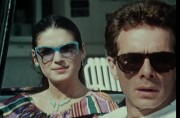
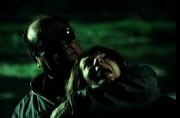
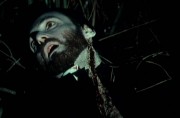
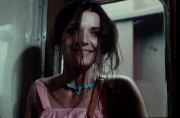
ZEDER aka Revenge of the Dead

(Pupi Avati, 1983)
imagebam.comimagebam.comimagebam.com
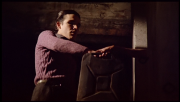
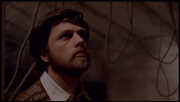
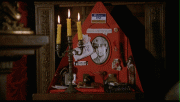
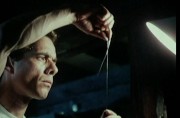
A writer named Stefano (Gabriele Lavia) receives a used typewriter from his girlfriend as a birthday present. He discovers that it formerly belonged to a priest who had used it to record findings on mysterious "K-Zones", places where time and the laws of life and death do not exist. Stefano is inspired to write a novel based on the idea, and sets out to track down the priest. His efforts, however, are severely hampered by a conspiracy of lies, false identity, and knife-wielding scientists intent on keeping their macabre experiment a secret.
imagebam.comimagebam.comimagebam.com
...So, back in the day (when I was slightly younger) I found a horror VHS, titled "Revenge of the Dead" in the corner video store. I had no idea at the time that it was actually the retitled version of Zeder disguised as a zombie flick. On the cover there was a zombie tearing it's way up through the ground. I read the synopsis; by all appearances it was an old zombie movie I hadn't yet seen. Enthusiasm for the film dropped considerably, though, within the first 15 minutes or so. No zombies. Little gore. No scares that could compete with the gore-soaked horror and slasher movies that my brothers and I regularly rented. Everyone watching fell asleep, myself included. It wouldn't be until I was aware of Italian horror as a whole that I tracked it down again, for a second viewing.
imagebam.comimagebam.comimagebam.com
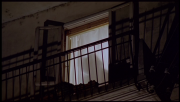
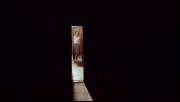
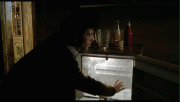
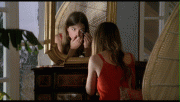
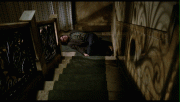
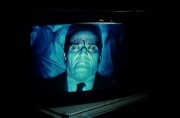
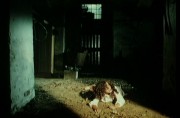
The second time around I had no expectations, but was not disappointed. I found it a bit slow and talky, but was quite impressed by Avati's stylistic approach. Practically every other scene in Zeder is set in the dark, with minimal lighting, This, paired with the stringy sci-fi synth soundtrack by Riz Ortolani (and a lot of oldschool shrieks and moans) creates an otherworldly dark ride of a horror film.
imagebam.comimagebam.comimagebam.com
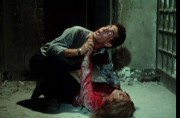
My complaints are few: the dialogue, acting, dubbing, and special effects are, as expected in these situations, terrible. The story itself seems to be a rework of the concept for Stephen King's novel "Pet Sematary", which was also released in '83. The film is also incredibly low-budget, though Avati does manage to wring every drop of atmosphere and suspense from it, and with little need for excessive gore. I don't recommend Zeder for anyone who has no attention span, but for the few remaining who do, I say give it a try.
imagebam.comimagebam.comimagebam.com

Saturday, December 25, 2010

THE HOUSE WITH LAUGHING WINDOWS

(Pupi Avati, 1976)
imagebam.comimagebam.comimagebam.com
The House with Laughing Windows has more in common with The Perfume of the Lady in Black or Footprints on the Moon than it does with the bulk of its gialli brethren. There are no black gloves or razorblades here, nor striking sets or groovy fashions. Typical of the post-Deep Red giallo, THWLW is heavy on the atmosphere, and spirals into all-out horror by the film's shock-twist ending.
imagebam.comimagebam.comimagebam.com
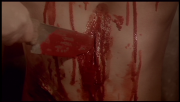
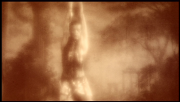
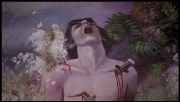
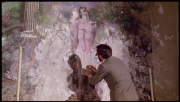
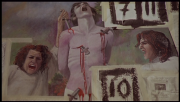
Stefano (Lino Capolicchio), an art restorer, is flown to the remote village of Ferrara to work on a crumbling fresco painted by the late Legnani. It comes to light that Legnani was unbalanced, and painted his subjects as they were dying. The subject of the fresco, a bound man bleeding from multiple stab wounds, had been murdered by Legnani's equally insane sisters, neither of whom were seen again after the night of the artist's death.
imagebam.comimagebam.comimagebam.com
When his friend is pushed out of a window after informing him of such past atrocities, Stefano is evicted from his current hotel. The village idiot invites Stefano to stay at a moldering villa in the bush where he cares for a bedridden old woman. It seems that someone else, of whom we see no more than an arm, lives in the attic room.
imagebam.comimagebam.comimagebam.com
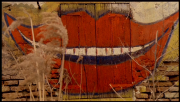
After hearing something strange from upstairs in the night, Stefano explores the attic room and discovers an old tape recorder. It contains Legnani's delusional ramblings about his "colors", and Stefano soon finds himself drawn into the mystery surrounding the painter of death. His inquiries bring him to another rotting farmhouse, this one with bright red smiles painted over the windows and a skeleton buried in the yard...
imagebam.comimagebam.comimagebam.com
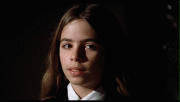
Pupi Avati, the director of Euro-chiller Zeder, made this one of the best and most original gialli of all time. It's a bit slow by genre standards, and the violence is kept to a minimum, but it builds steam and grows more menacing as the story progresses. The few gore scenes, though obviously low-budget, are effective because they ARE few and far-between. The lighting, soundtrack, and photography contribute immensely to THWLW's gradually-building air of malice and mystery. Very much recommended, though now out of print. Secondhand copies here.
imagebam.comimagebam.comimagebam.com

Sunday, February 21, 2010

MACABRE aka Frozen Terror

(Lamberto Bava, 1980)
free image hostfree image hostfree image host
Lamberto's directorial debut Macabre is arguably his best film. It is well-written (in collaboration with Pupi Avati), with proper character development and a gripping story. It is also beautifully filmed, and has a haunting soundtrack. The acting is actually pretty good, though the horrendously-dubbed voices might detract from the experience for some viewers. The story is fairly simple, and I will include spoilers, as anyone who has considered watching this already knows the "big secret/twist" from hundreds of other reviews.
free image hostfree image hostfree image host
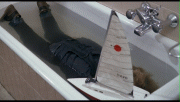
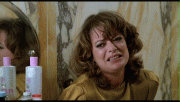
Jane Baker (Bernice Stegers) has been having an affair with Fred and leaving her daughter Lucy and son Michael home alone while she does so. While with Fred one afternoon, Jane receives a call from Lucy informing her that Michael has drowned in the bathtub (unknown to her is that Lucy drowned him). In a panicked rush to get home, they crash into a guardrail, which smashes through the windshield and decapitates Fred.
free image hostfree image hostfree image host
After a year of psychiatric treatment, Jane returns to the boarding house where she and Fred used to frolic. The owner, Mrs Duvall, has since passed away, and left the property to her blind son Robert. Robert has always carried a torch for Jane, and immediately welcomes her. He becomes suspicious of her behavior, though, when she starts getting nightly visits from Fred. His curiosity is further piqued when he discovers, whilst snooping through her room, that she keeps a lock on her freezer.
free image hostfree image hostfree image host
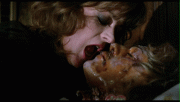
Lucy, eager as ever to torment her now (assumed) stable mother, starts playing mind games with Jane. She tricks Robert into allowing her into Jane's room, for the sole purpose of leaving Jane a photo of Michael and messing-up Fred's side of the bed. I won't tell what Lucy does to Jane at the dinner table, but it's NOT very appetizing. Needless to say, when Jane finally loses it, she LOSES it!
free image hostfree image hostfree image host
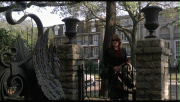
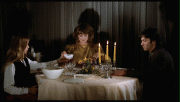
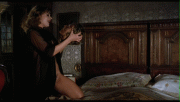
This is easily the most restrained film Lamberto Bava ever made, most likely because it was co-written by Pupi Avati, director of The House With Laughing Windows & Zeder. Though short on blood, the violence IS shocking in nature. What it really has going for it is style. A LOT of effort went into the composition and detail of each scene. One might notice in some scenes that Jane and Robert's wardrobes match the gloomy interior of the house too well, as though they themselves are a part of it. Lucy and Michael, in blue and red, match the family home. The beginning of Macabre is awash with sunlight. Sprinklers are sprinkling and lawnmowers humming. After Jane's release from the ward, the sunlight is scattered, broken up by trees and the iron grill-work of the city. It then becomes an overcast grey as Jane wanders through the streets on her way to the graveyard. In the last segment of the film the only light is from candles, and Jane blends seamlessly into the shadows in her black nightgown. Bava and Avati managed to create a near-perfect modern Gothic with Macabre.
free image hostfree image hostfree image host
The story itself is fairly profound, no small feat for a film of this type. One could say it's a story of unrequited love. Jane is cut off from her family, and pining for her dead lover. She actually thinks he is still alive, somehow. Lucy is jealous of Jane's love for Michael and Fred, and her father's love for Jane. Finally, poor virginal Robert sits alone in a dark room at night, cleaning musical instruments while listening to Jane romp about with Fred. If you grasp the metaphor there, you will surely gasp in awkward surprise when Robert asks Lucy if she's ever seen a saxophone before. His situation isn't improved by Jane's constant flirting.
free image hostfree image hostfree image host
The soundtrack by Ubaldo Continiello is spot-on. Though a little dated, it lends a rather wistful air to the proceedings, and switches to a deep, throbbing beat during Jane's night time scenes. As I mentioned previously, some of the the dubbing is atrocious; Lucy's voice has the charming quality of a parakeet being forced through a meat grinder. I'm hoping there's an Italian print somewhere with subtitles, as the voices (and the cheesy surprise ending) are my only complaint. Highly recommended for those who have an attention span and a pair of forgiving ears.
free image hostfree image hostfree image host
Buy It